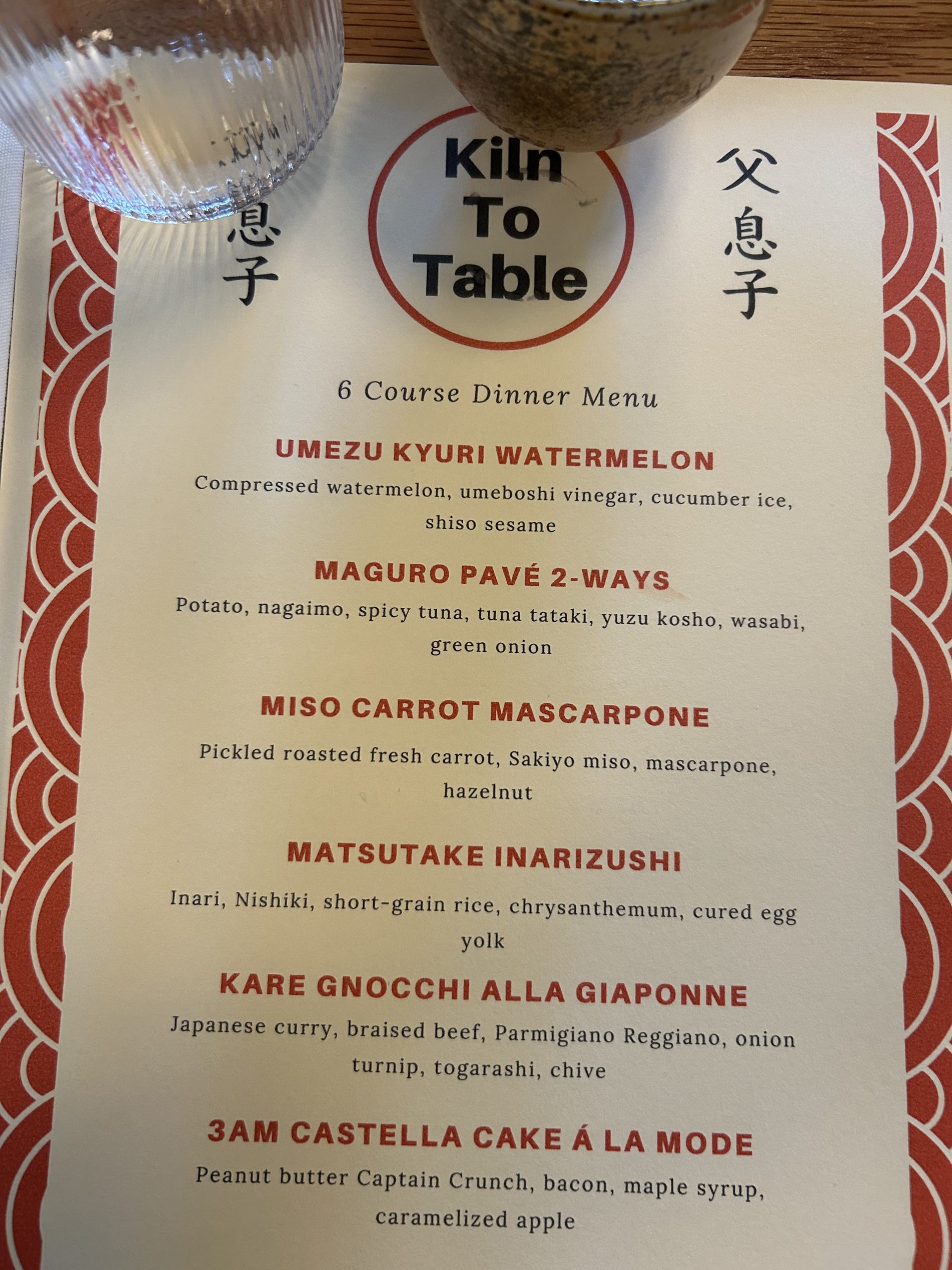
Kiln to Table: A Father-and-Son Collaboration at Domek Bistro
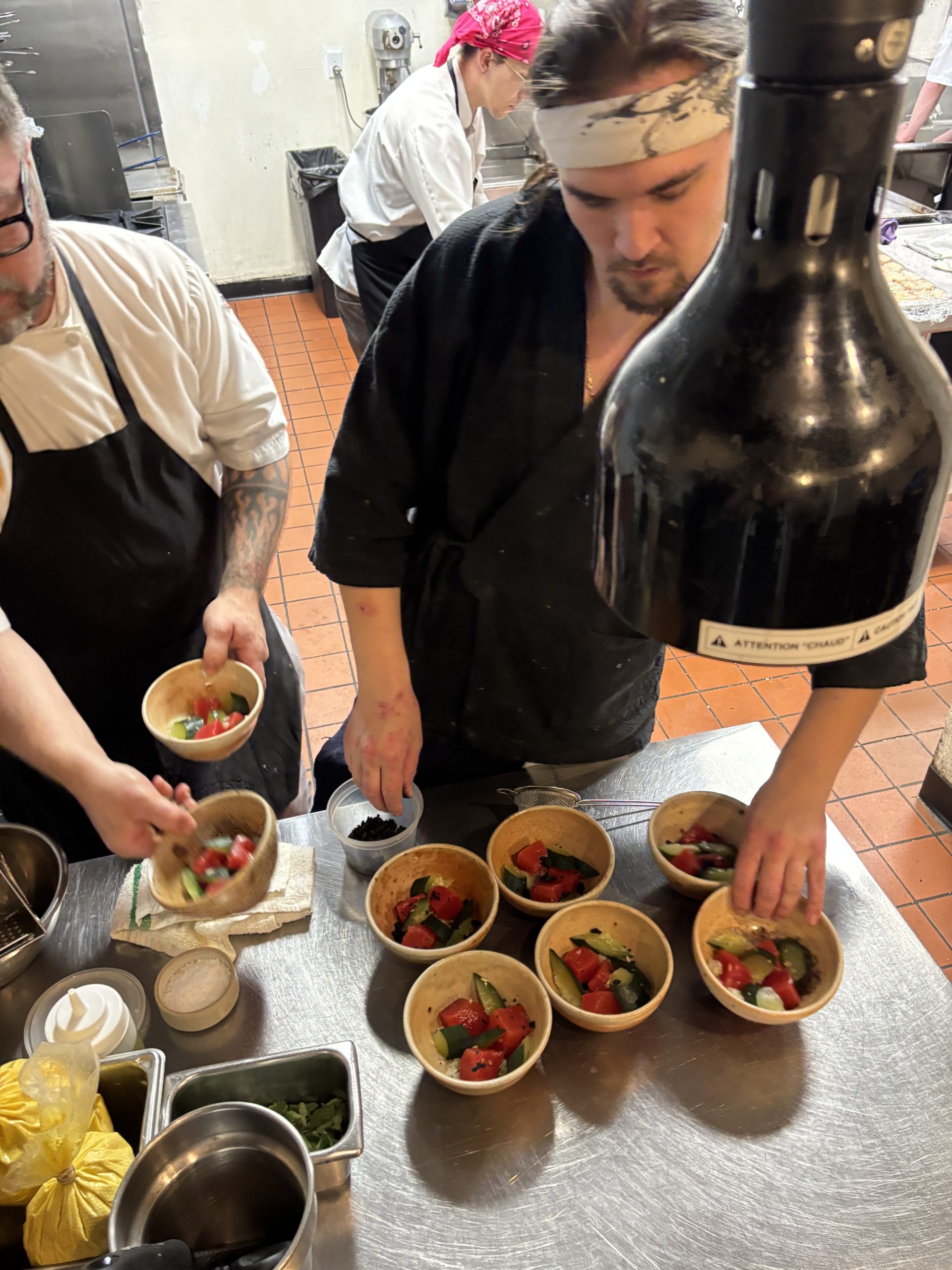
On Monday, August 10, 2026, Chef James McClelland hosted Kiln to Table, a special pop-up dinner at Domek Bistro in Eugene that brought together Japanese-inspired cuisine and handmade ceramics in a deeply personal collaboration.
For James, the evening represented the culmination of more than a decade working in the food and beverage industry. His experience includes Eugene favorites Izakaya Meiji, Akira, and the Dozo food truck. He currently works under Chef Andrew Hroza at Domek Bistro while continuing to develop his own culinary voice. Deeply influenced by Japanese cooking, James approaches food with a respect for seasonality, balance, and hospitality shaped by both professional experience and family tradition.
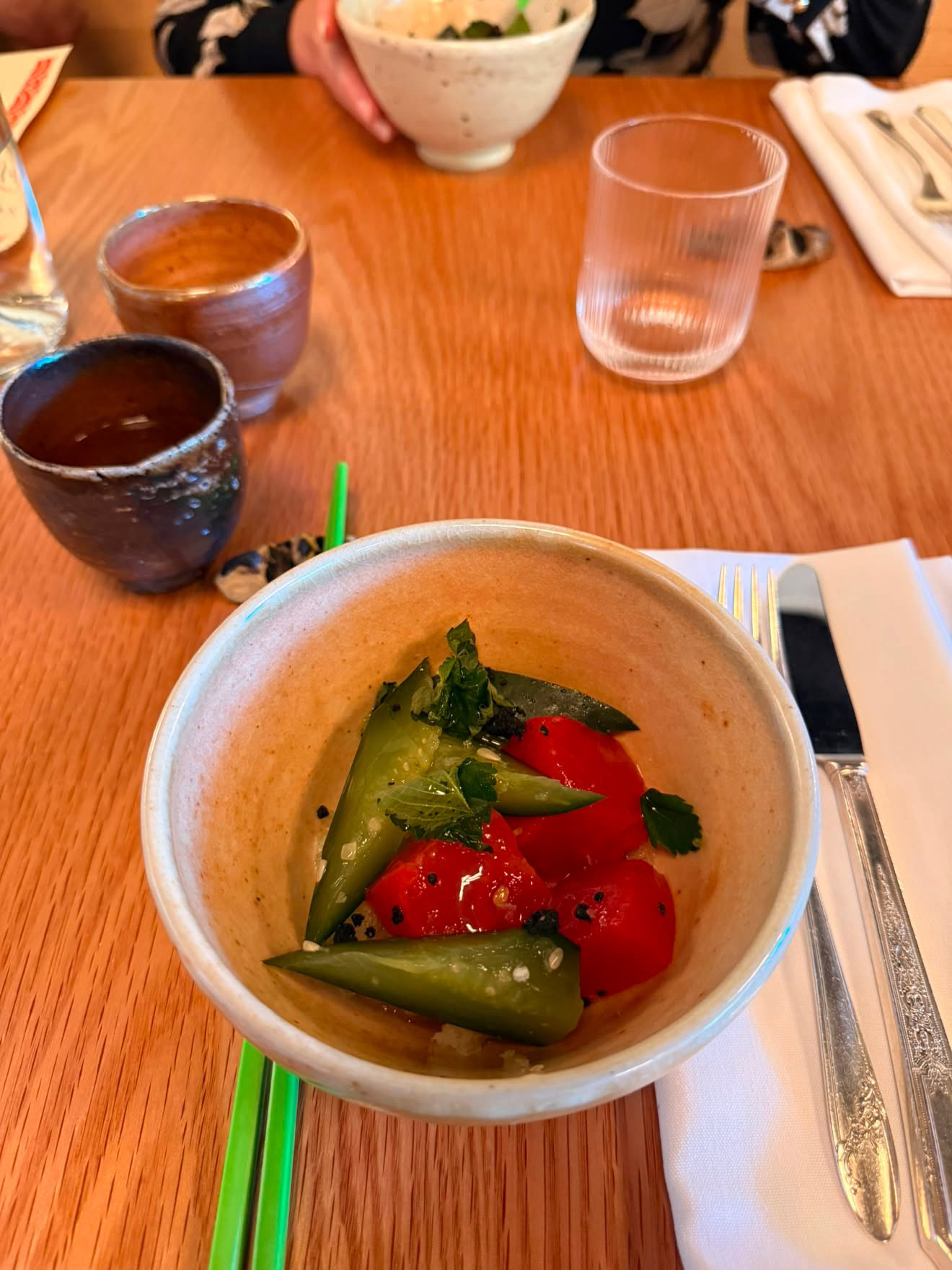
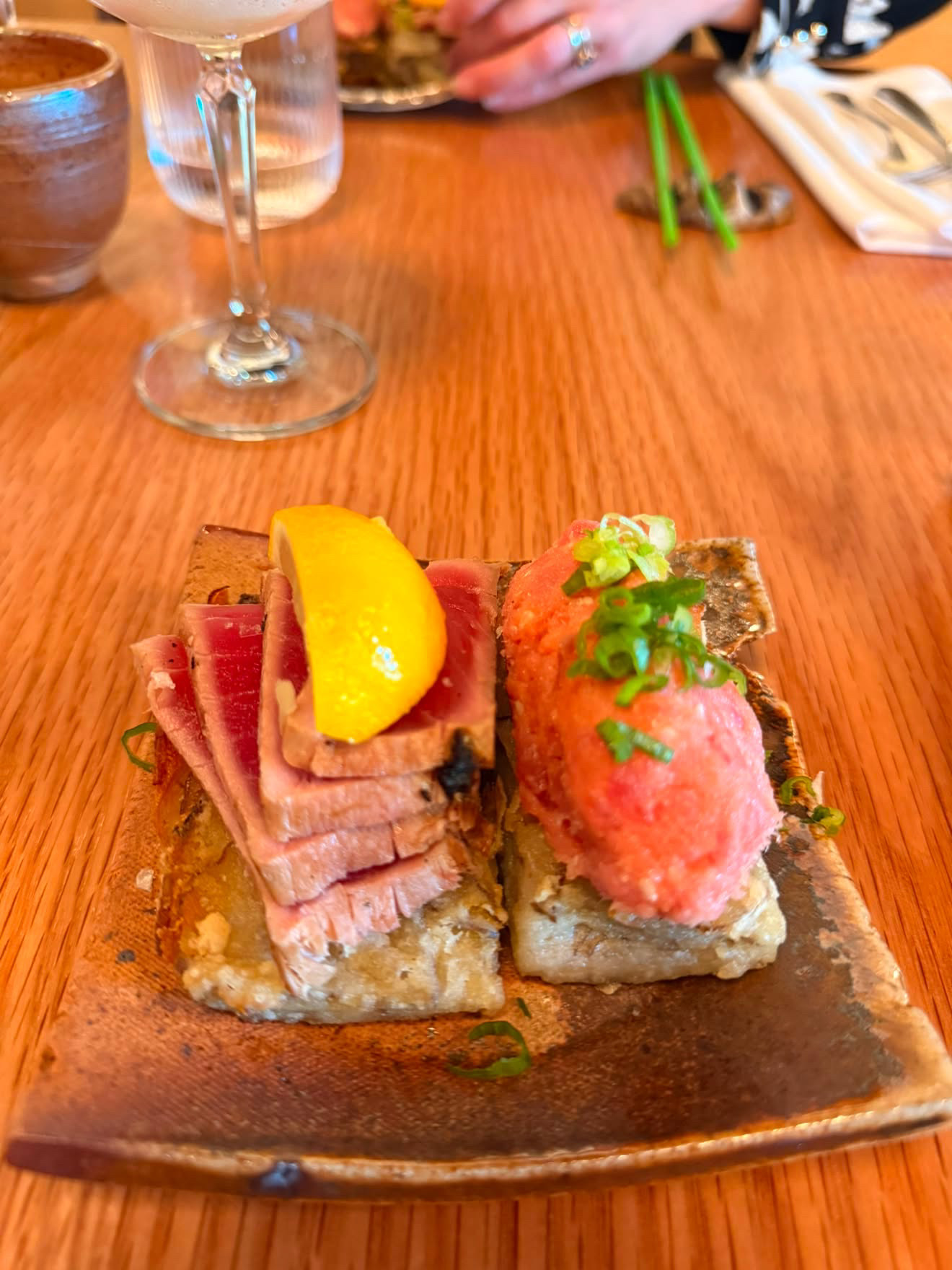
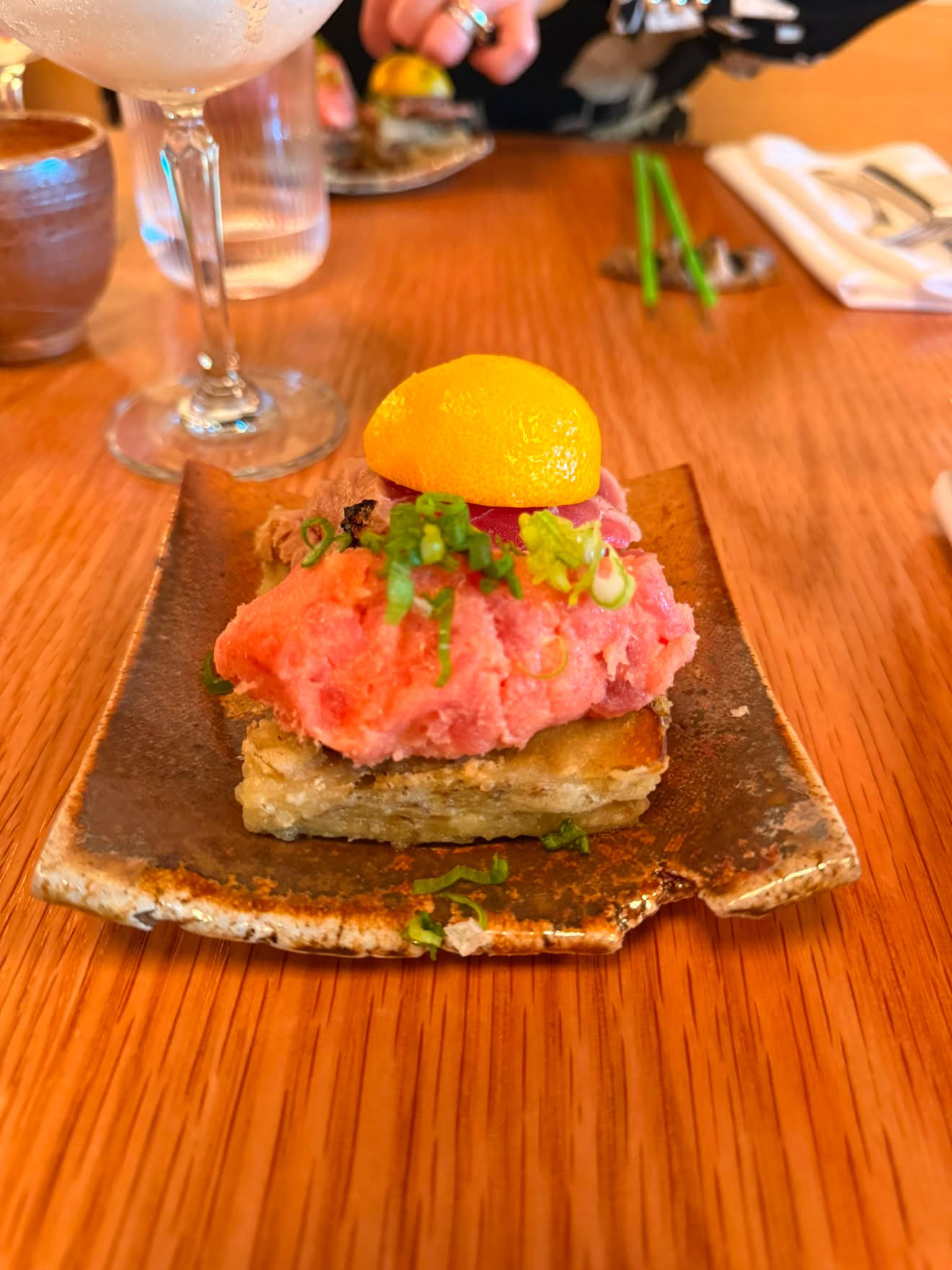
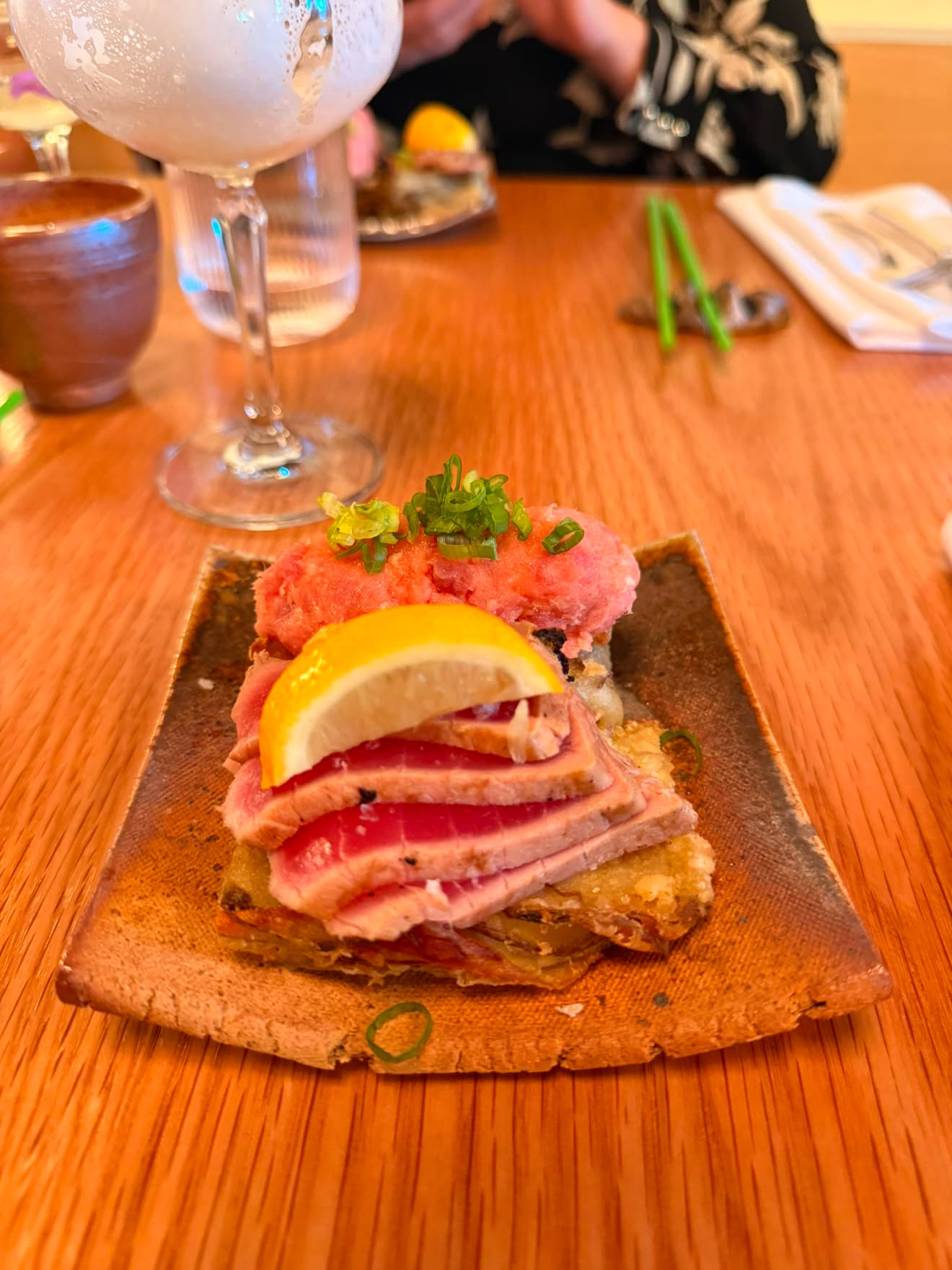
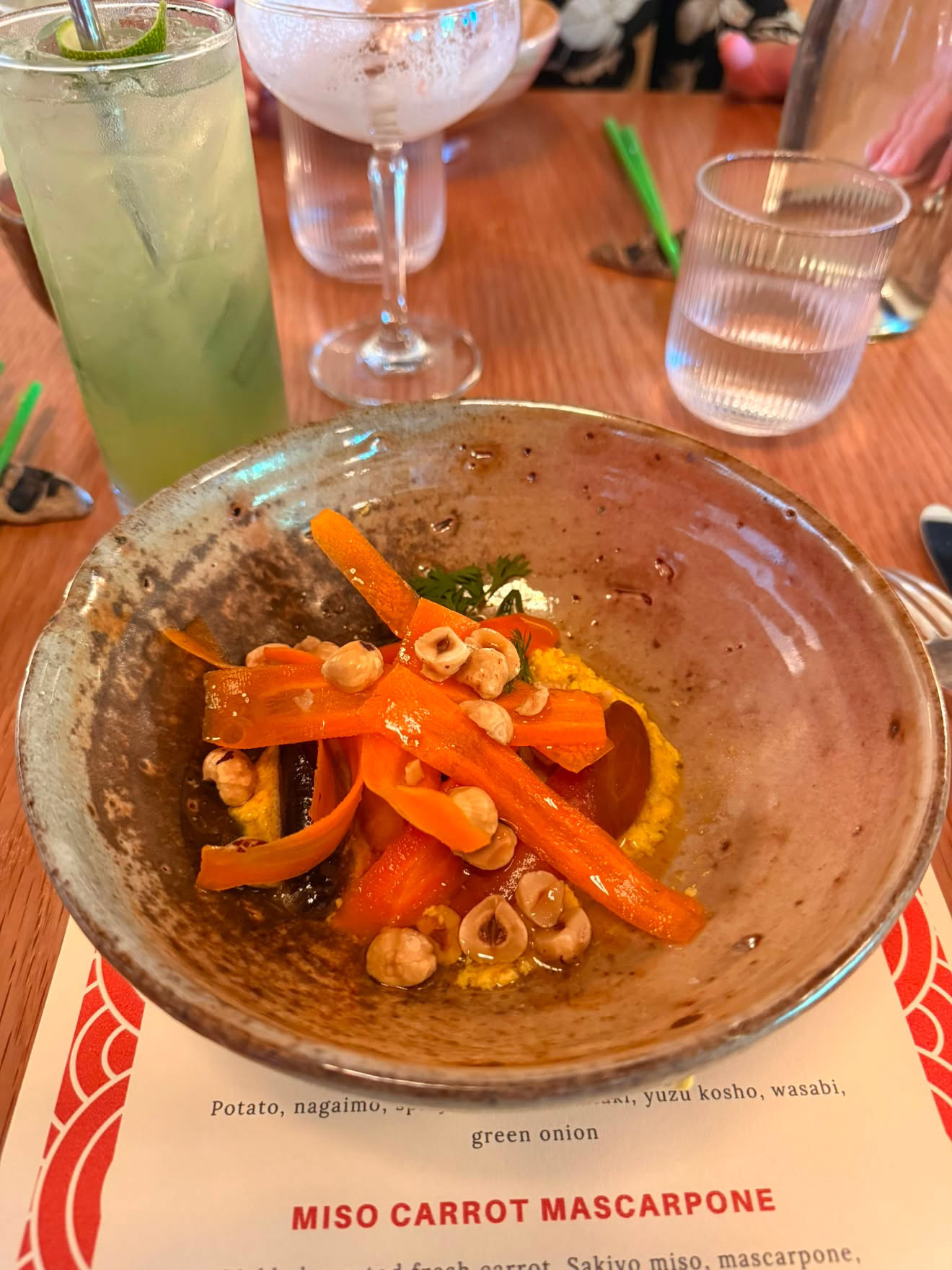
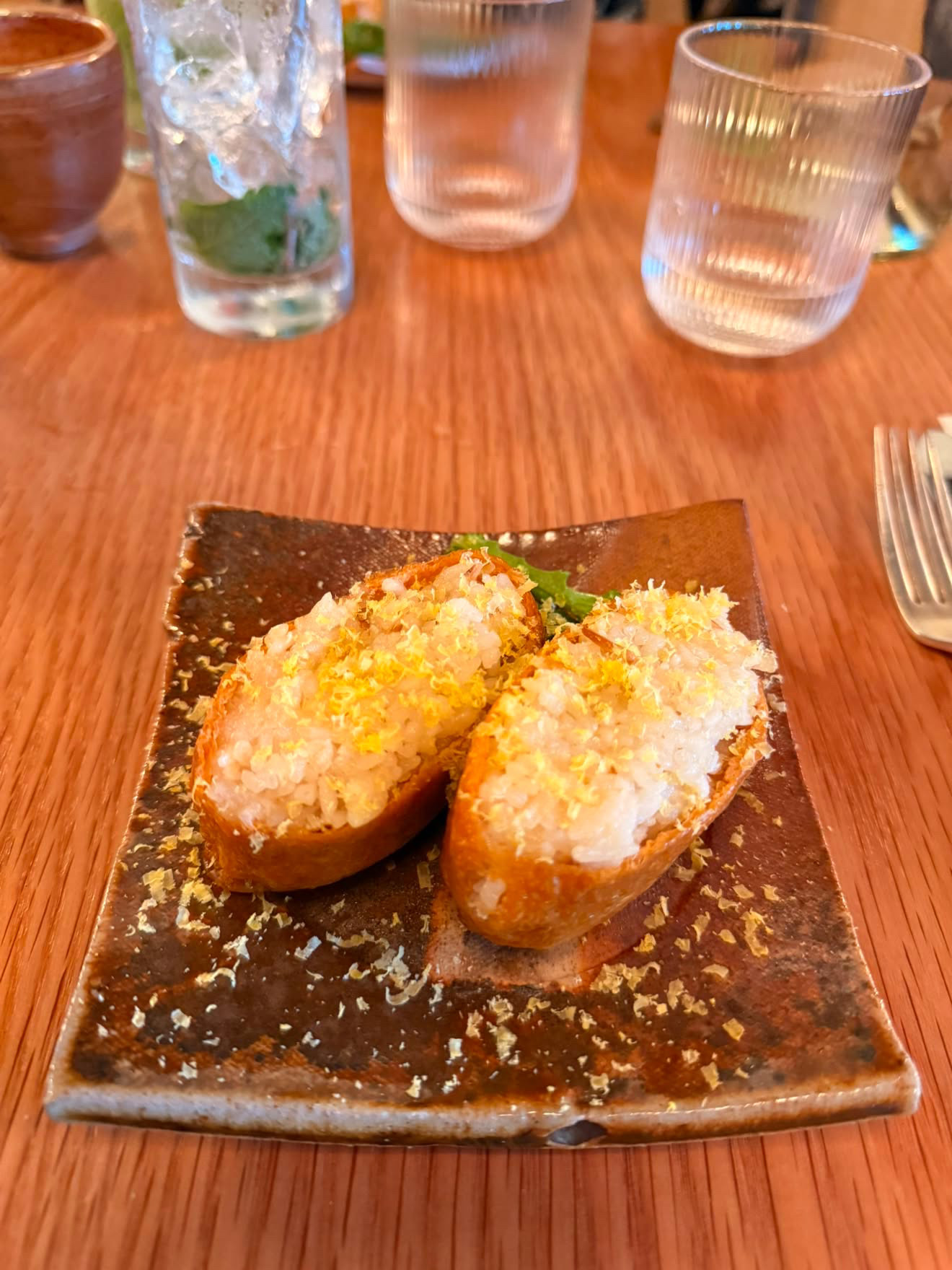
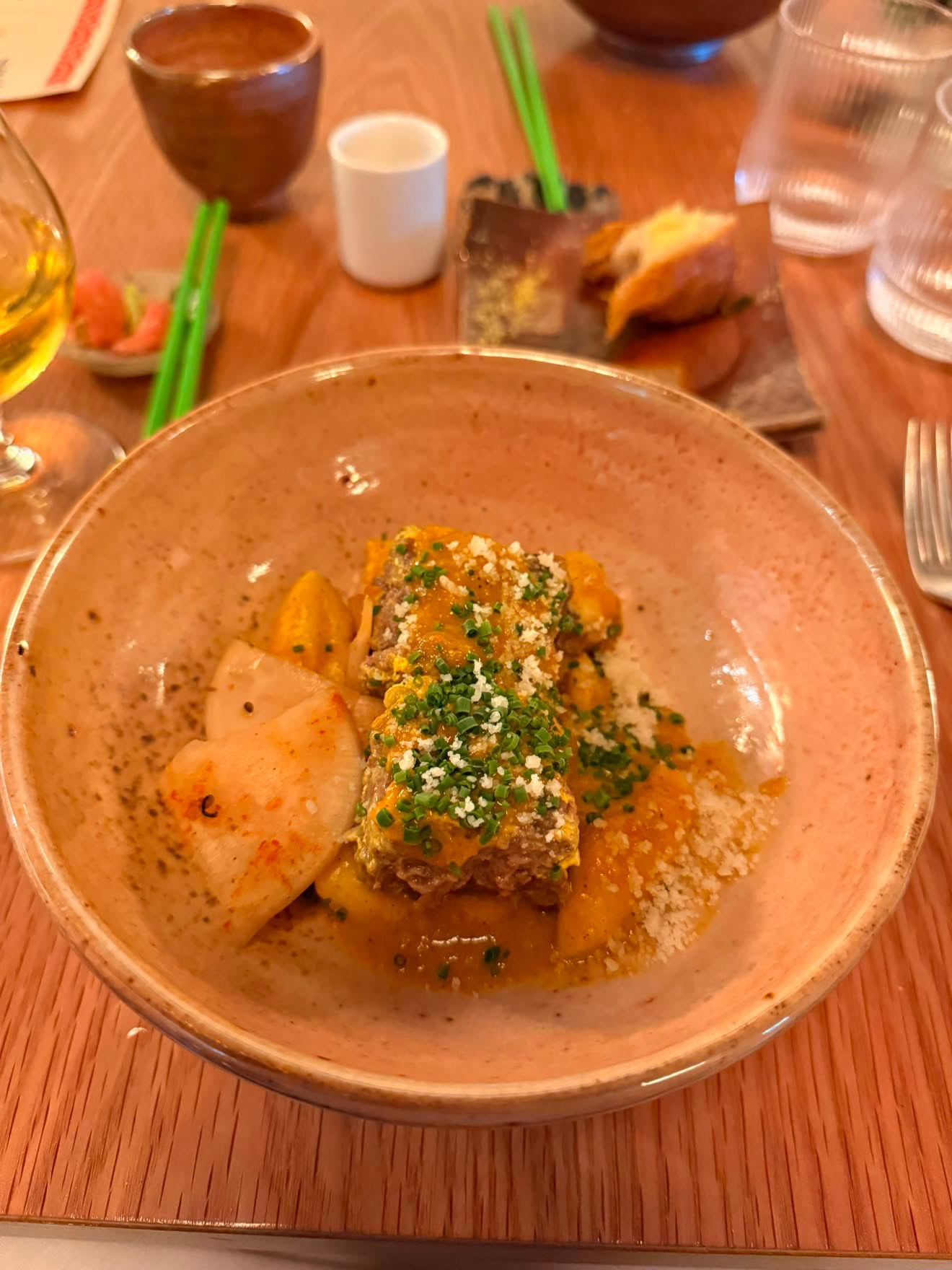
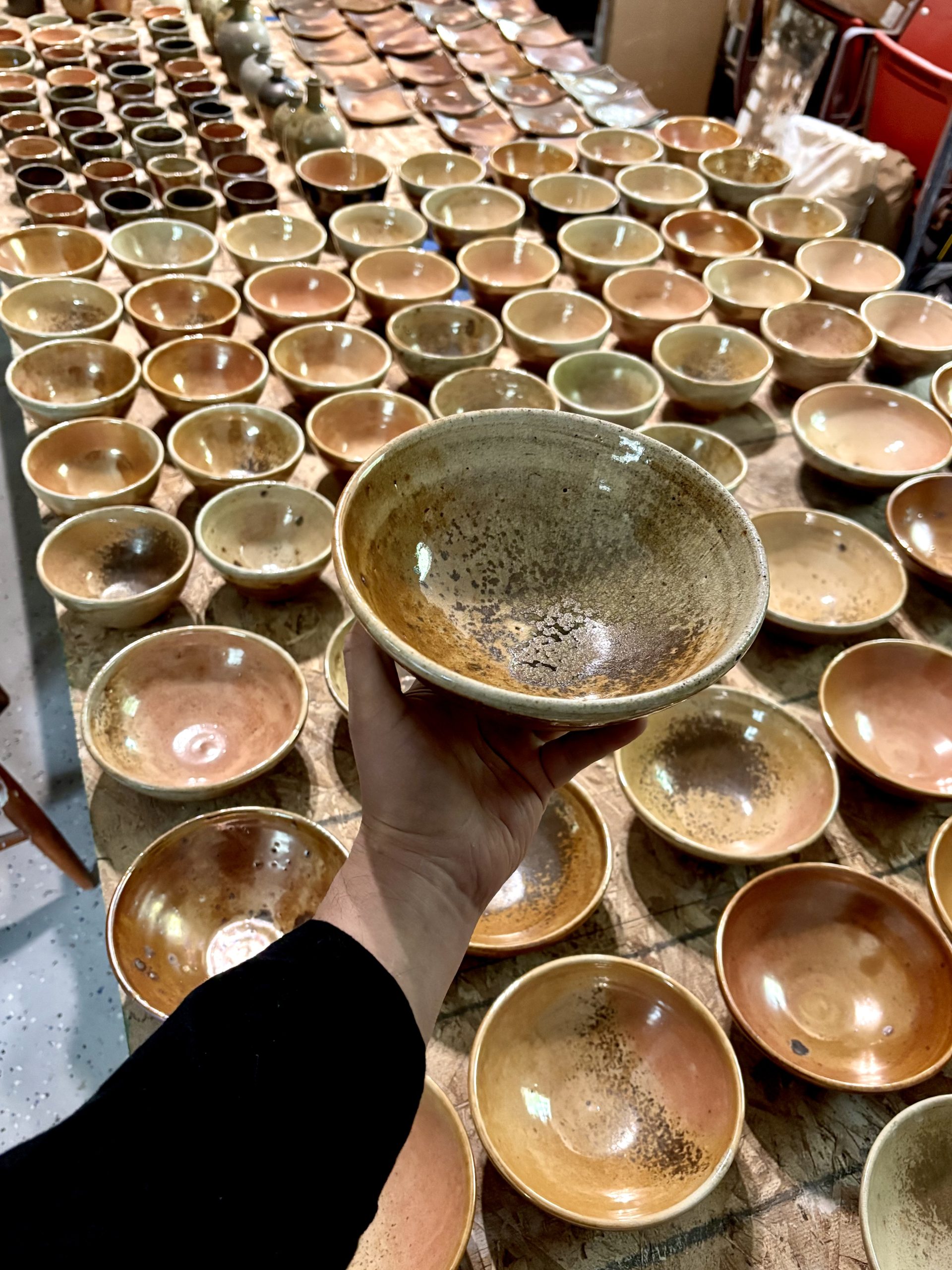
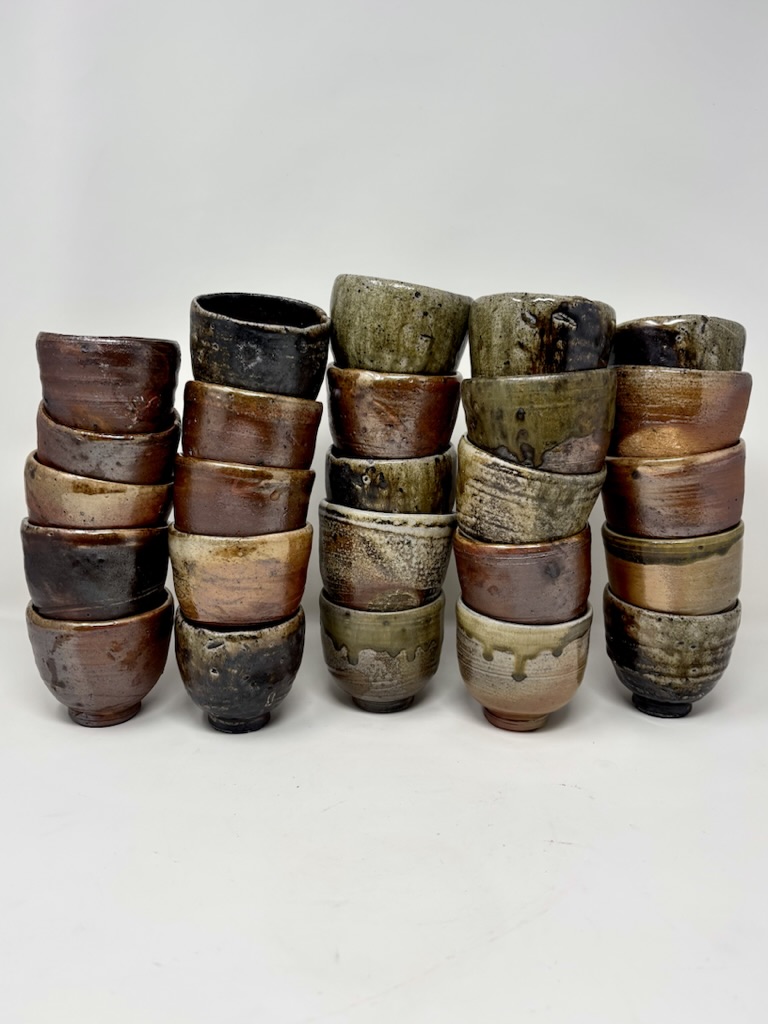
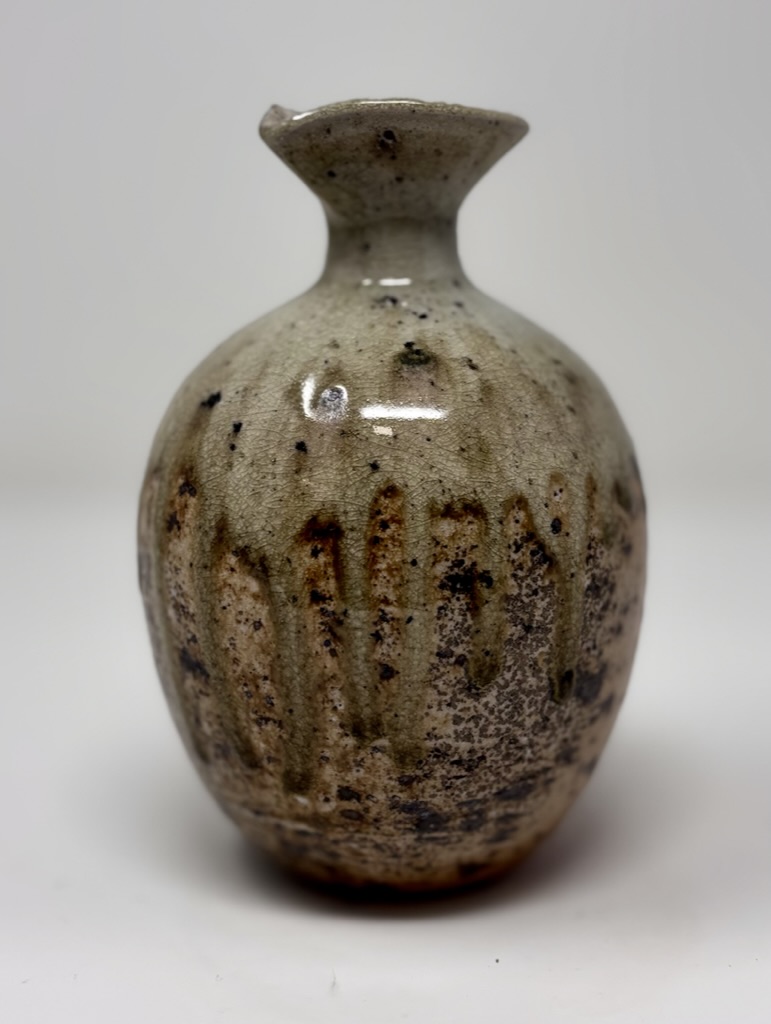
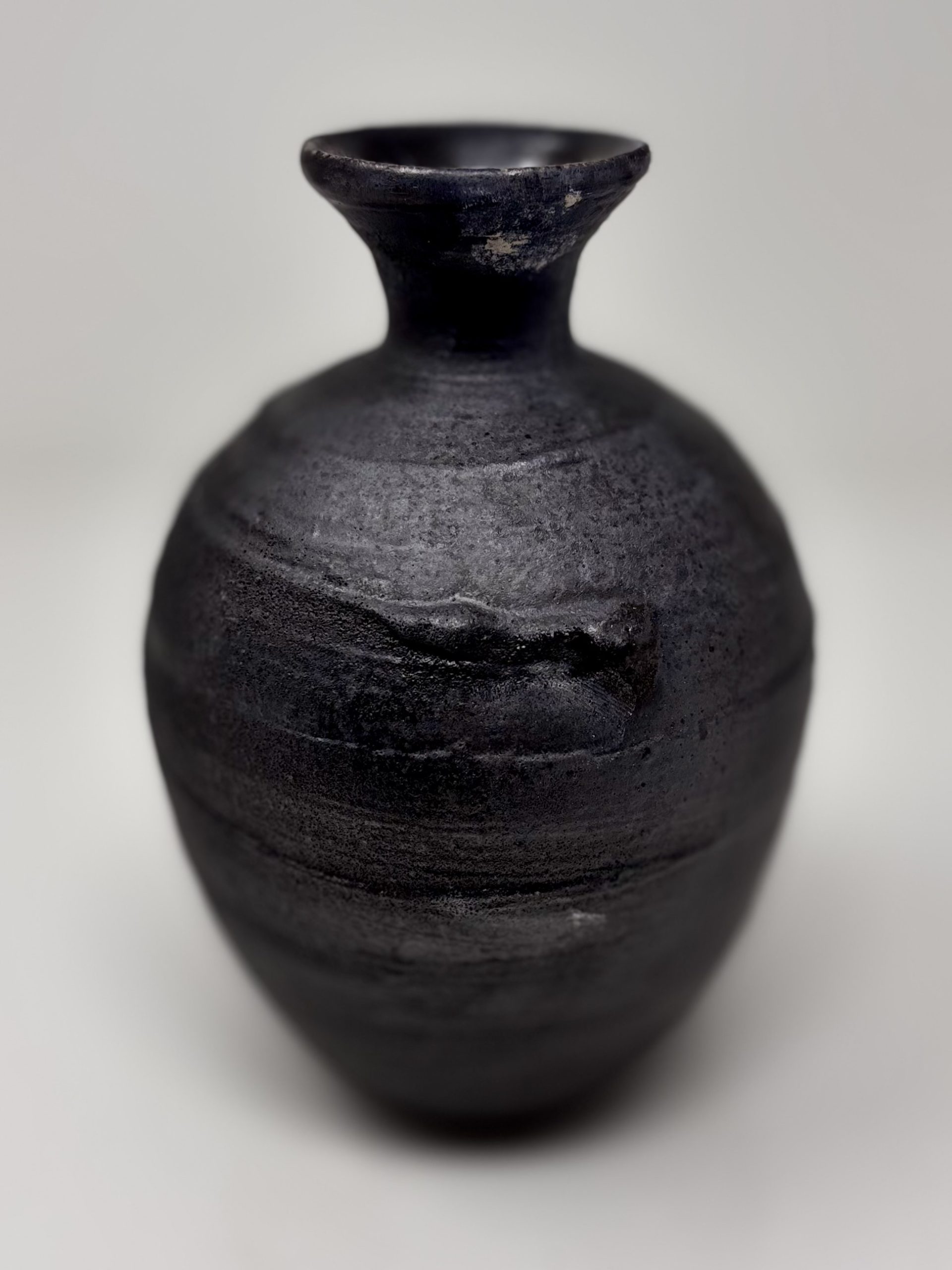
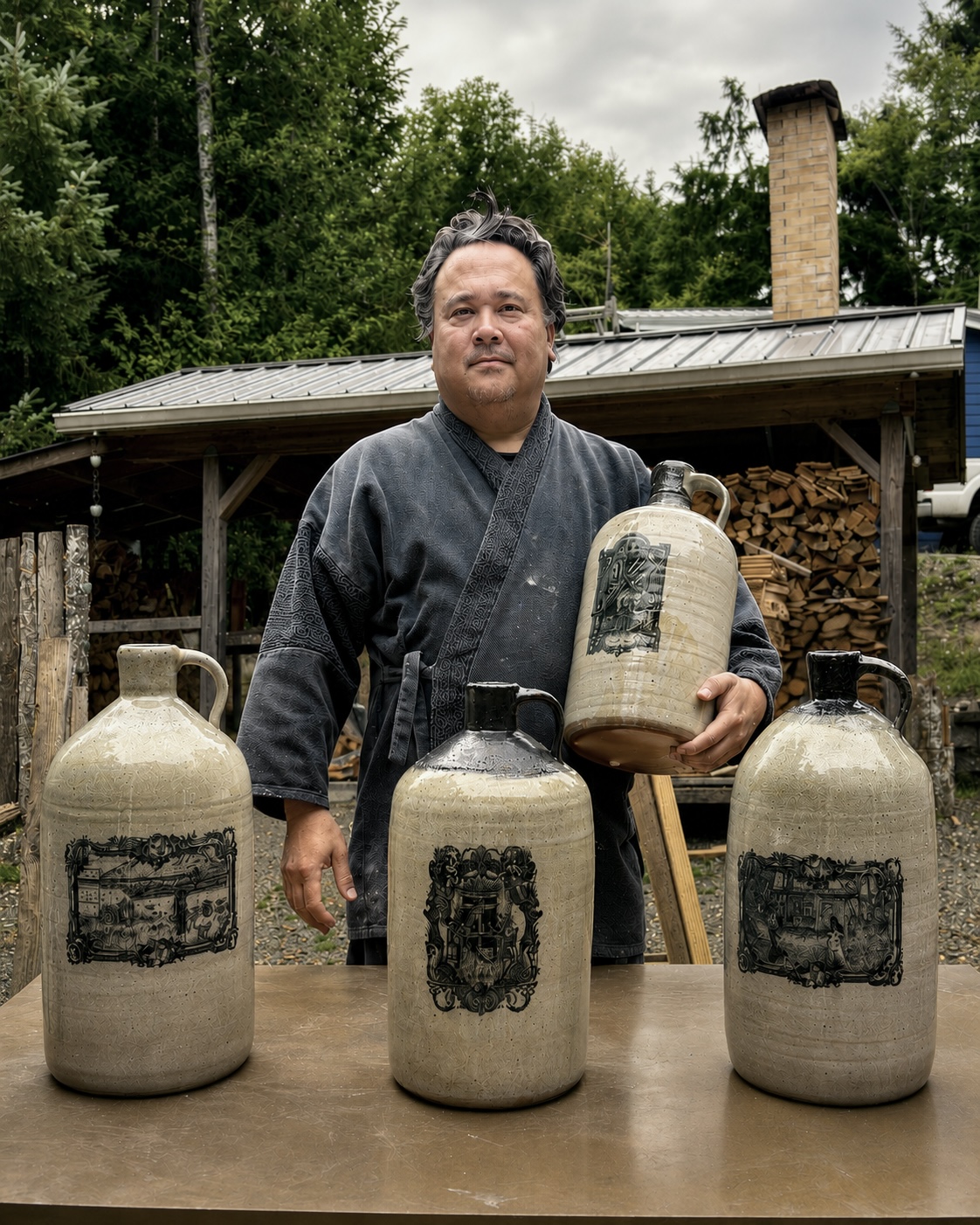
Created specifically for the dinner was a complete collection of handmade shokki, or Japanese-inspired tableware, by James’s father, ceramic artist Randy McClelland. Over several months, Randy produced approximately 150 pieces, each designed around James’s vision for the menu. The collection brought a sense of continuity to the evening, connecting every course through clay, surface, and form.
For the McClellands, the collaboration was a natural extension of their shared history. Randy, who is Japanese American, inherited an appreciation for Japanese aesthetics and craft from his mother. James inherited many of those same influences, expressing them not through clay but through food. Although they work in different mediums, both are guided by the same values of patience, intention, and respect for the handmade.
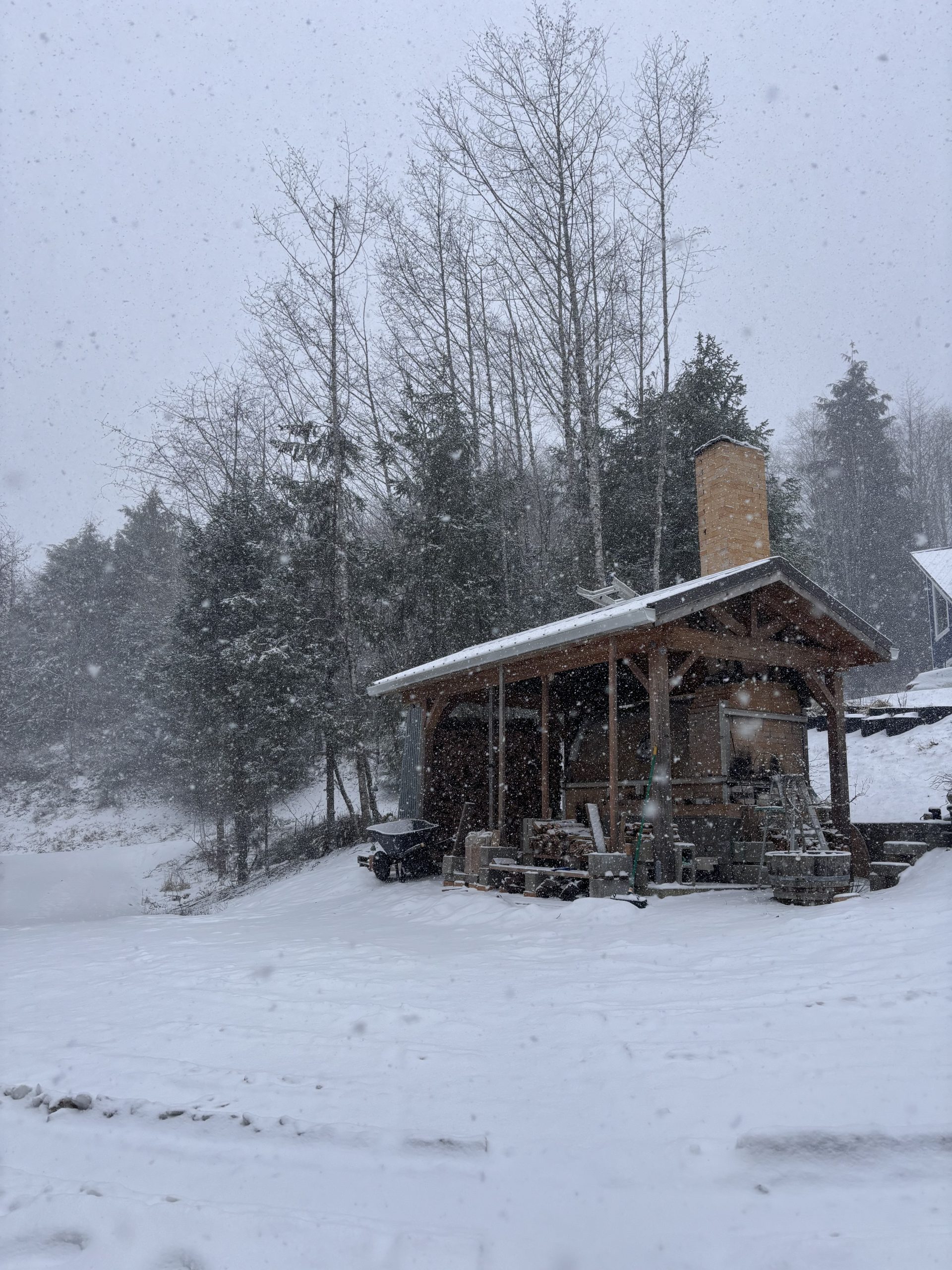
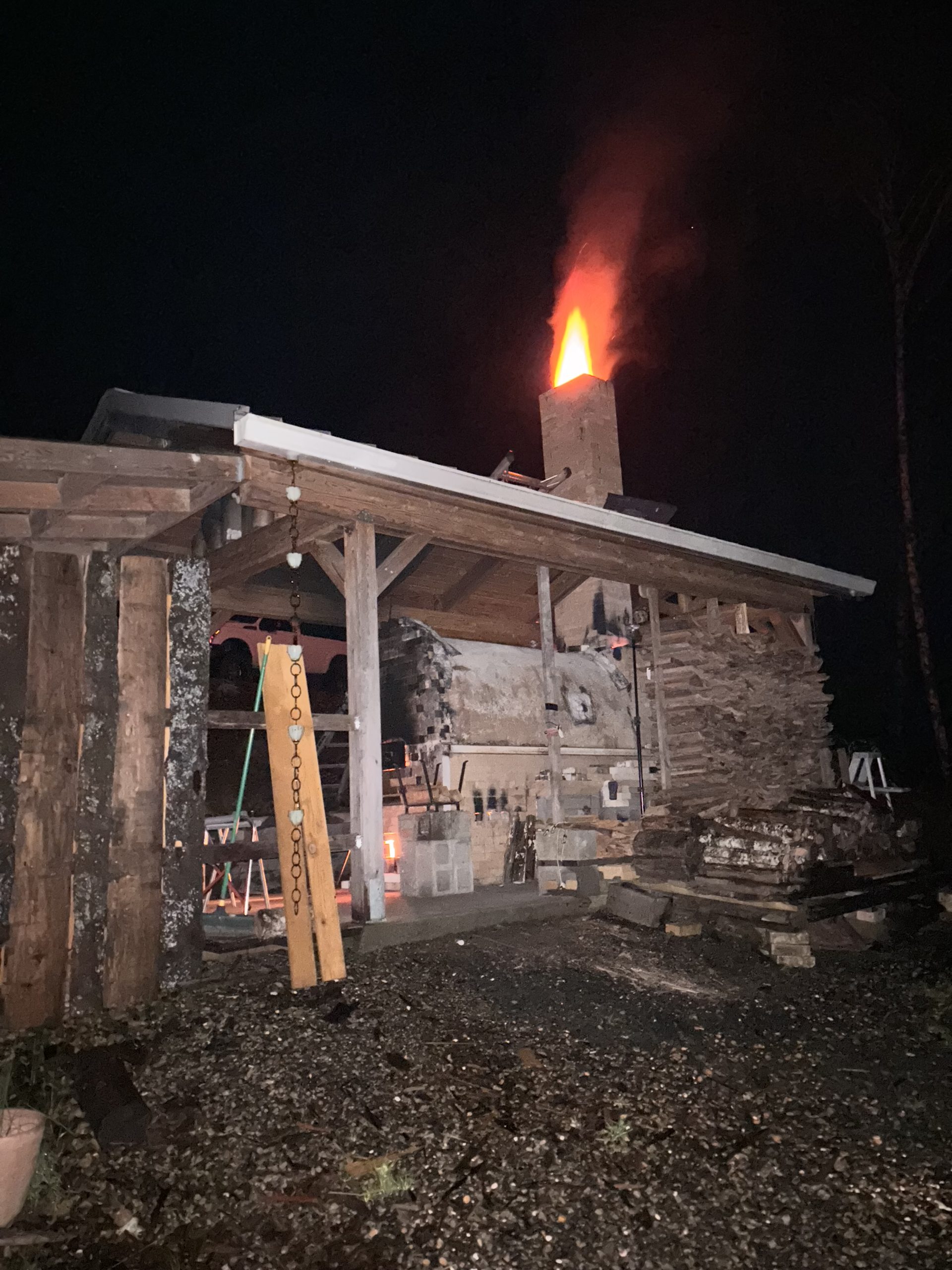
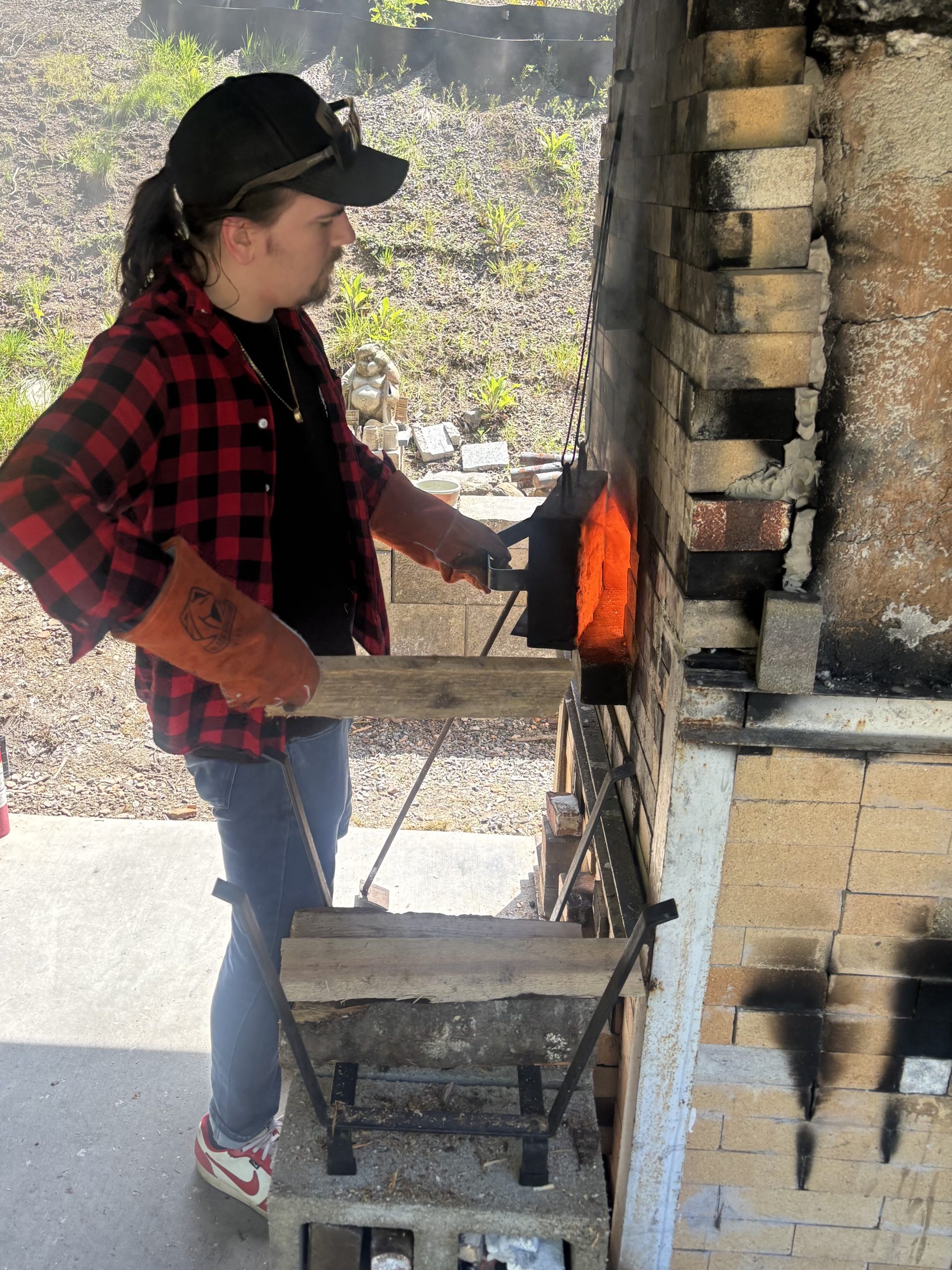
James is also no stranger to the kiln. Having grown up around wood firing, he has participated in many firings over the years and returned in May to help fire the Neiseru Gama, the family’s cross-draft wood-fired kiln in Naselle, Washington, as the tableware for Kiln to Table was being completed. That shared experience allowed the pottery and menu to develop together, with each informing the other.
Wood firing is among the oldest methods of making ceramics. Every firing requires continuous attention as flame, ash, and heat transform the clay. Natural ash settles on the surfaces of the pottery, giving each vessel its own character and ensuring that every piece used during the dinner was one of a kind.
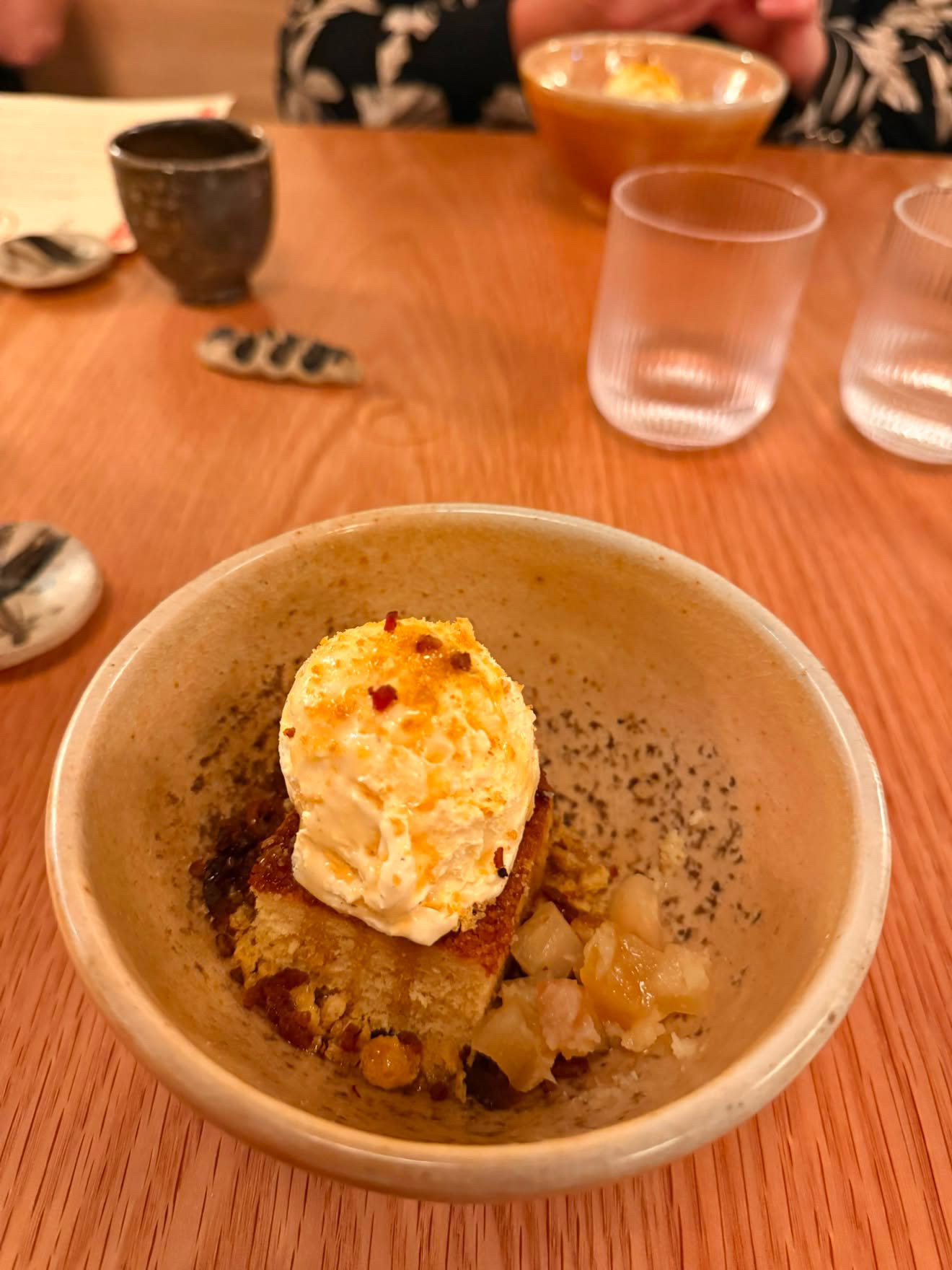
For one evening, food and pottery became part of the same conversation. Each dish was thoughtfully paired with a vessel made specifically for it, inviting guests to experience not only a carefully prepared meal but also the relationship between the chef, the maker, and the traditions connecting them.
The response exceeded anything James and Randy had anticipated. The dinner sold out and a lot of pots found new homes. The room carried an energy and excitement unlike a conventional exhibition opening, as guests experienced the pottery through food, conversation, and shared hospitality.
As Randy reflected, “The kiln has always been part of our family. Seeing James serve food from pots we made together feels less like the end of a project and more like another chapter in a tradition we’re continuing.”
Kiln to Table was more than a dinner. It was a celebration of craftsmanship, family, and the enduring ways culture is carried forward through the things we make and the meals we share. Its success also opened the possibility of something larger: an ongoing collaboration in which ceramics are not simply displayed but used, experienced, and made part of a gathering.
What began as a single evening at Domek Bistro may prove to be the first chapter of a continuing Kiln to Table story.